Barilla Pasta — Wholesale Supply & Export
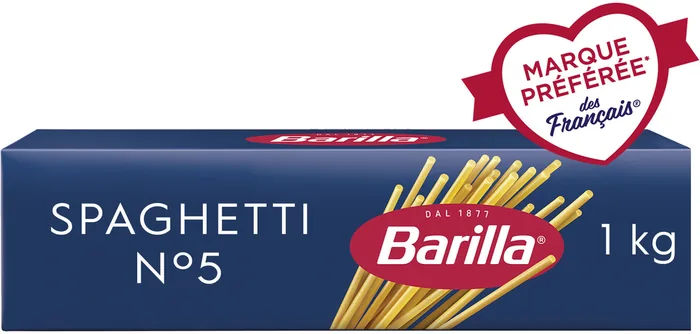
Barilla dry pasta and pasta sauces for wholesale export. Authentic Italian A-brand stock supplied by case, pallet or full container load from Belgium.
- Long cuts, short cuts, egg, wholewheat and gluten-free lines
- Barilla pasta sauces and pesto quoted on the same offer
- Supplied by the case, pallet or full container load (FCL)
- 100% authentic Italian A-brand, original packaging
- EUR.1, Certificates of Origin and full export documentation
- FOB, CIF, DAP and EXW Incoterms
Barilla is the blue box a buyer never has to explain: Italy's best-known dry pasta, sold as a genuine A-brand at an everyday price, with an ambient shelf life that forgives long routes and slow rotation. It sits inside the food & groceries export range we ship from Belgium, and is usually the first line a new importer commits space to. What follows is not a catalogue but an account of how a pasta order is actually built — cut assortment, case, pallet, container — because pasta is the line importers most often misjudge on freight rather than on price.
Barilla pasta wholesale, by the case to the container
Three order tiers exist and they behave differently. A case order is a trial: it proves the cut, the pack format and the customer response before anyone commits a pallet position. A pallet order is a programme in miniature — single-cut pallets for the proven movers, mixed pallets while a regional assortment is still being read. A full container load is the tier at which the load-planning decisions below start to move the landed cost more than the unit price does. All three draw on the same genuine Italian stock in original manufacturer packaging; nothing is repacked or decanted at our end. Buyers running a specialty aisle beside their pasta fixture frequently add Dried Shiitake Mushroom wholesale supply to the same booking, since both are dry ambient goods that travel on identical terms.
The Barilla range, read as an order sheet
Barilla is not one product, and treating it as one is where first orders go wrong. For ordering purposes it divides into long cuts — spaghetti, spaghettini, linguine, bucatini — and short cuts such as penne rigate, fusilli, farfalle, rigatoni and mezze maniche, alongside egg pasta, wholewheat integrale, the gluten-free lines and the jarred sauce and pesto range that shares the same shelf. The numbered cut reference printed on the pack is the fastest and least ambiguous way to specify a requirement, and quoting it eliminates the commonest error on a first enquiry: two parties using the same English shape name for two different products. Send the cuts by number and pack format and the offer comes back against exactly those, with case, layer and pallet configuration confirmed per SKU rather than assumed from a previous shipment.
Long cuts and short cuts do not load the same way
Dry pasta is light for its bulk. A container of it fills its cube well before it approaches its payload limit, which inverts the intuition buyers bring from beverages or detergent: floor plan, carton dimensions and stacking height set your freight cost, not weight. The two families then behave differently again. Long-cut cartons are long and shallow and stack tidily in a single orientation; short cuts enclose more air inside the carton and generally consume more volume per tonne shipped. A 20ft and a 40ft box therefore do not carry proportionate quantities of the two, and an assortment weighted toward short cuts costs more per tonne to move than the same tonnage of spaghetti. None of that argues for one cut over another. It argues for planning the assortment and the container together rather than sequentially.
Building the pallet before you build the price
The unit that actually travels is the pallet, not the case. Cases per layer, layers per pallet and pallets per container is the chain that decides how much product a booking carries, and every link moves with the cut, the pack size and the pallet base in use. We confirm that configuration in writing on the pro-forma against the allocation offered, together with pallet gross weights, because a configuration quoted from memory is how a container arrives short-shipped. Where an assortment is still being trialled, a mixed pallet built from several cuts lets a buyer read a range before committing to a container programme; where a market is proven, single-cut pallets handle faster at the far end and reduce picking errors in the receiving warehouse.
Humidity, odour transfer and reading the date code
Dry pasta carries a long ambient best-before window, which is precisely why it gets handled carelessly. Two things damage it in transit. The first is moisture: cartons that absorb humidity in a hot, poorly ventilated container soften, stain and lose stacking strength, so pasta wants dunnage off the container floor and a load plan that does not trap condensation. The second is odour. Semolina takes up smells readily, so pasta must never be stowed against detergents, soaps or scented household lines — a mistake that ruins a consignment without visibly damaging a carton. Best-before dates are printed in the manufacturer's own format; remaining shelf life on arrival is a legitimate contract term, and we state the position for the batch being offered rather than a standing figure, because the batch is what you actually receive.
Italian manufacture, EU labelling and the pasta customs file
Barilla dry pasta supplied from our Belgian stock is EU-manufactured product. That is what allows a EUR.1 movement certificate to be issued where the destination holds a preferential agreement with the European Union, and a Certificate of Origin where it does not — the document follows where the goods were made, not where the brand is famous. EU retail packs carry multi-language labelling and a full allergen declaration, durum wheat semolina throughout and egg in the all'uovo lines, and destination markets frequently require additional information in the local language. Where over-labelling is permitted, the sticker artwork is normally assessed as part of the label, so that question is cheaper to settle before the order than at the border. Invoice, packing list and transport document travel with every consignment; health or free-sale certificates are arranged where a destination authority asks.
Which cuts sell where, and how a first order is shaped
Assortment is regional, and the pattern is consistent enough to plan against. Spaghetti and penne travel everywhere and form the safe base of any first order. Fusilli and farfalle index higher where salads and children's meals drive the category. Wholewheat and gluten-free lines move in mature retail markets rather than value-led ones. Egg pasta and the sauce range sell hardest where the fixture is positioned as premium Italian rather than staple carbohydrate, and sauces lift the basket because a pasta bay converts better when the sauce sits beside it. The sequence most importers follow is a trial pallet with a broad cut list, an honest read on which references rotate, then a container weighted toward the winners.
Turning a cut list into a booked load
We do not publish a standing price list, and any supplier who does for branded pasta is quoting an allocation that has already moved. What we can do is quote quickly against a specific requirement. Send the cuts and pack formats, the quantity in cases, pallets or containers, the destination, the Incoterm you trade on and any documentation your market demands. The offer states what is genuinely available, the batch position, the pallet configuration and the resulting load, so your costing rests on real figures.
Pasta rarely fills a container efficiently on its own, and the space it leaves behind is worth planning for rather than paying for. Because the assortment is light, buyers routinely consolidate it with denser ambient lines on the same booking: Heinz wholesale supply and Hellmann's wholesale supply add weight to the load and complete a meal-solutions bay, while Jacobs wholesale supply introduces a high-value coffee tier that raises the average value per pallet. One order, one document set, one arrival.
If you are still shortlisting counterparties rather than cuts, our guide to choosing the right supply partner sets out what to verify before a first pro-forma is signed.
Other food and grocery lines that ship with pasta

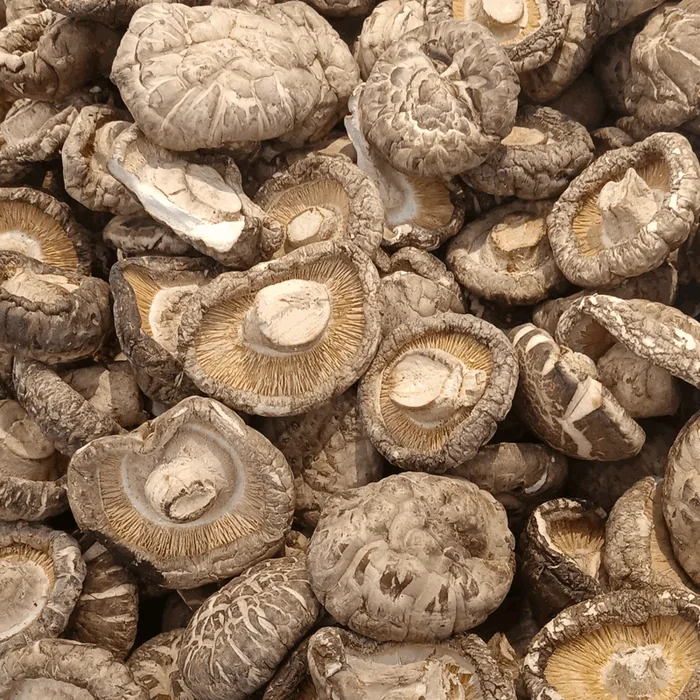
Dried Shiitake Mushroom
Whole and destemmed dried caps bought to a written specification — style, cap size and moisture confirmed against the lot before dispatch.
View details
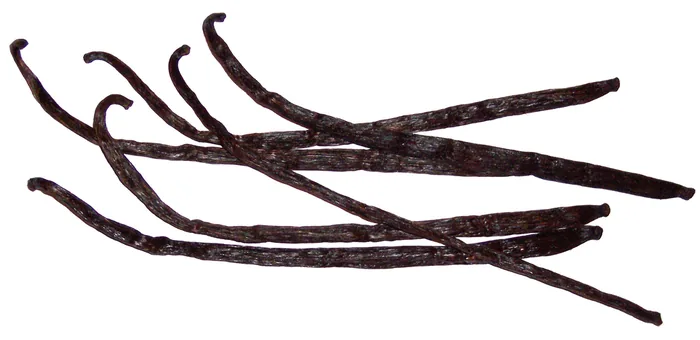
Vanilla Beans
Gourmet, TK and extraction-grade pods, vacuum-packed and quoted against the certificate of analysis for the lot actually in stock.
View detailsBefore the container is sealed
Loads leave Aalter through Antwerp and Rotterdam on EXW, FOB, CIF or DAP terms, and it is worth reading how shipments are consolidated before fixing the Incoterm, because that choice decides who carries the planning work described above. Quantities, cut assortment, case and pallet configuration, batch and best-before position, Incoterm and the full document set are confirmed in writing on the pro-forma against the allocation offered. Nothing is carried over from a previous shipment, and nothing is quoted that we cannot ship.
Tell us the cuts, the volume and the port
Send the cut list, the quantity in cases, pallets or containers and your Incoterm — contact the export team and we will return availability, pallet configuration and a detailed quotation within 24 hours.