Dried Shiitake Mushroom — Wholesale Supply
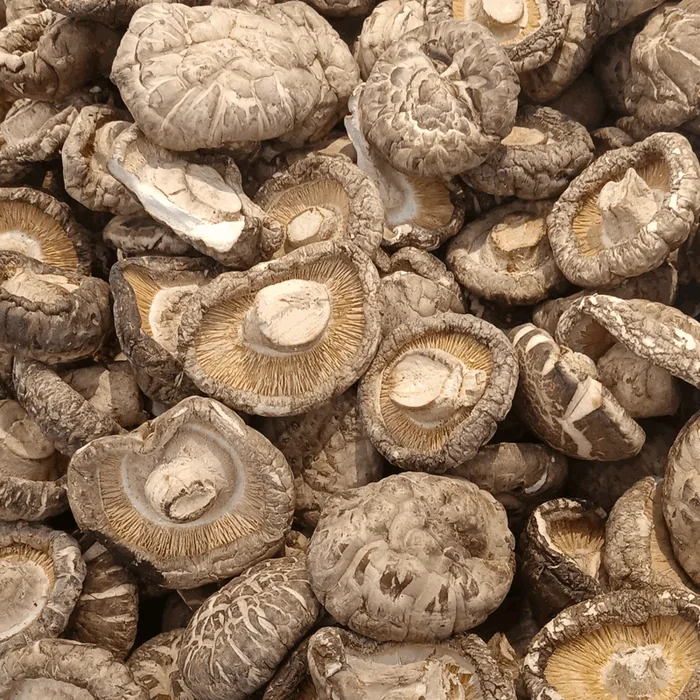
Bulk dried shiitake mushrooms for wholesale. Whole dried caps for soups, broths and Asian cooking, exported from Belgium by case, sack, pallet or FCL.
- Whole, destemmed-cap and sliced styles quoted to specification
- Catering packs, bulk sacks, pallets and FCL options
- Cap-size class, moisture and testing package confirmed per lot
- Handled and packed to EU food-safety requirements
- Certificate of Origin, analysis and full export documentation
- EXW, FOB, CIF and DAP Incoterms
Dried shiitake mushrooms are bought to a specification, not to a brand. Two offers that read identically on a website can differ in style, cap size, moisture and testing to the point where one is worth materially more per kilo than the other, and the buyer who writes the tighter specification captures that difference. This page sets out how the specification is written, because that is how the commodity is genuinely transacted. The line sits inside our food & groceries wholesale catalogue and ships from Belgium to importers, ingredient manufacturers, specialist wholesalers and HORECA distributors.
Bulk dried shiitake for manufacturers and food-service
We supply whole dried caps in catering packs, larger bulk sacks and palletised quantities, scaling to full container loads for volume buyers. The commercial difference between us and an origin-country counterparty is where the goods sit: stock held in the European Union can be inspected before it is committed, released on European lead times, and consolidated onto a pallet alongside branded FMCG rather than shipped as a standalone parcel from Asia. That matters most to a buyer who needs a modest tonnage frequently rather than a large tonnage once. Importers building an ambient grocery load around it commonly add Barilla wholesale supply to the same booking, since dry pasta and dried mushrooms share stowage, documentation and handling almost exactly.
Writing the specification: style, grade and cap size
Start with style, because it changes everything downstream. Whole mushrooms with the stem attached, whole caps with the stem removed, and sliced or cut material are three different products with three different yields and three different prices. Cap character is the next variable: thick, fissured winter-grade caps sit at the top of the ladder and are bought where the mushroom is visible on the plate, while thinner, flatter caps are the working grade for stocks, seasonings and milling. Cap diameter is then banded into size classes measured in centimetres, and a quality class is defined by uniformity within the band plus the tolerance permitted for off-size, broken or discoloured pieces. There is no EU-specific quality standard for dried mushrooms; in practice the trade works to the Codex Alimentarius Standard for Dried Edible Fungi, which is the reference worth naming in your enquiry so that both sides mean the same thing by "Grade A".
Moisture, and what actually determines the price per kilo
Moisture is the line on the specification that decides the deal. It is water you pay for by the kilo, and it is simultaneously the primary spoilage and mould risk once a container crosses a hot lane, so a ceiling is set on the specification and evidenced on the certificate of analysis for the lot rather than promised in general terms. Beyond moisture, price per kilo is driven by style and whether stems have been removed, cap-size class and thickness, colour and the proportion of cracked or broken material, the crop year and growing region, the packing format, and the testing package the destination requires. Any one of those can move a quotation more than a negotiation will. That is why a request for a price with no specification attached cannot be answered honestly, and why our offers are always written against a named style, class, moisture ceiling and test panel.
Testing, food safety and the schemes European buyers ask for
European buyers of dried fungi typically specify a microbiological panel covering salmonella, listeria, E. coli and staphylococci, together with heavy-metal testing for cadmium, lead and mercury, and confirmation that pesticide residues fall within the applicable maximum residue levels. Many also require the packing site to operate under a recognised scheme — IFS, BRCGS or FSSC 22000 are the ones named most often in specifications. Tell us which of these your own quality system or your customer's audit demands, and we will confirm in writing what the available lot carries and what its certificate of analysis actually reports. We describe what buyers ask for rather than making claims on a lot's behalf, because a certificate is either attached to the goods or it is not.
Packing, storage and the rehydration question
Dried fungi are hygroscopic and aromatic, which sets the packing brief. A food-grade inner liner inside an export carton, with moisture-barrier or vacuum packing where the specification calls for it, protects both water activity and aroma; desiccant is used where the routing warrants it. Storage is dry, ambient and away from strong-smelling goods, and pallets are stretch-wrapped so cartons are not crushed at the base of the stack. The question a chef-facing buyer should ask, and often does not, is rehydration yield: dried weight converts to a much larger soaked weight, the soaking liquor is itself a usable ingredient, and yield varies with cap thickness and moisture. Two offers at the same price per kilo can therefore deliver a different cost per portion.
Where the volume goes: specialist importers, HORECA and the umami shelf
Europe is one of the largest destinations for dried mushrooms by value, and shiitake dominates that trade. The route is well established: specialist importers hold and break bulk, then supply Asian wholesalers, ramen and hot-pot operators, catering butchers and restaurant groups. What has changed is the width of the demand. Plant-forward menus, clean-label seasoning manufacture and industrial stock and broth production have pulled dried shiitake out of the Asian-grocery channel and into mainstream ready-meal and ingredient supply, where it is bought by the tonne against a fixed specification. Retail specialty packers sit at the other end of the same market, buying whole showpiece caps in small formats where appearance carries the price — almost the opposite specification, which is why an enquiry has to state the application.
Documentation for a non-EU-origin ingredient
Dried shiitake is predominantly grown and dried outside the European Union, and honest documentation follows that fact. A EUR.1 movement certificate evidences preferential EU origin and is generally not the applicable document for re-exported non-EU goods, so we do not offer one on this line. What travels instead is a Certificate of Origin, a certificate of analysis for the lot, a phytosanitary or health certificate where the destination authority requires one, and the standard commercial file of invoice, packing list and transport document. Traceability is by lot back to the drying and packing operation. If this is your first shipment of an ingredient rather than a branded FMCG line, our export documentation checklist sets out what each document does and who issues it.
How a shiitake offer is put together
Send us the style, the cap-size class, the moisture ceiling, the test panel, the pack format and the quantity in cartons, pallets or containers, plus the destination and Incoterm. We come back with what is genuinely available against that specification, the documentation the lot can support, the pallet configuration and the total load. Where specification and budget do not meet, we say which line to relax rather than quietly substituting a lower class.
Ingredient volumes seldom fill a container on their own, so most buyers build the rest of the load around them. Broth and seasoning programmes pair naturally with Knorr wholesale supply, while coffee gives an ambient load its value density — Nescafé wholesale supply for the instant tier and Lavazza wholesale supply for roast and ground. Buyers running a premium-ingredient range usually price vanilla beans on the same enquiry, since both are high-value, specification-led lines handled by the same desk.
Before a first order, it is worth reading what to check before you order — a short account of how to verify a counterparty, its stock and its paperwork.
Ingredient and grocery lines that share the same pallet

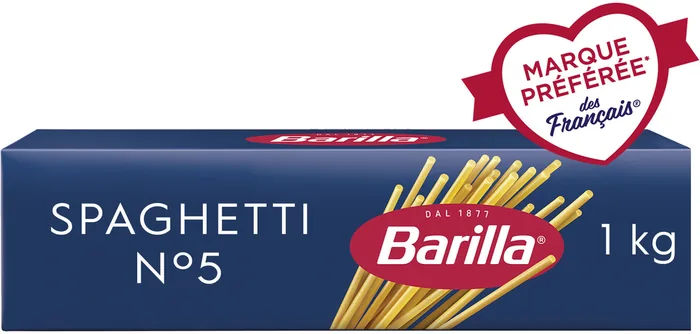
Barilla
Italian-made dry pasta bought by the cut and planned as a load rather than a list — long cuts, short cuts, sauces and pesto on one booking.
View details
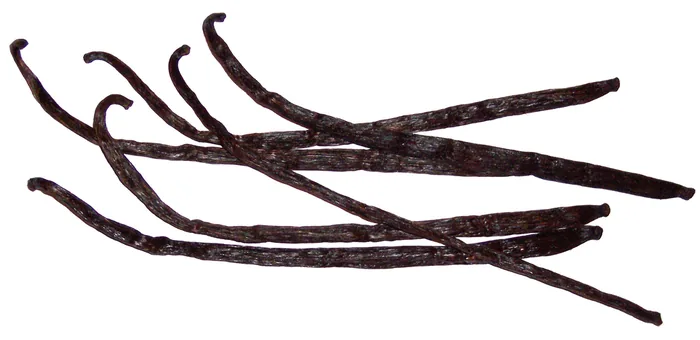
Vanilla Beans
Whole beans quoted by grade, length and moisture, so the comparison you make is cost per unit of vanillin rather than price per kilo.
View detailsRegistering, specifying and confirming the lot
Trade accounts are opened before an allocation is reserved, so register as a trade buyer if you have not already, and send the specification with the first enquiry rather than after it. Quantities, style and class, moisture ceiling, test panel, packing format, pallet configuration, Incoterm and the document set are then confirmed in writing on the pro-forma against the lot actually offered. If a stated specification cannot be met from stock, we say so at quotation stage; substituting a class after the pro-forma is signed is not a service, it is a dispute waiting to happen.
Quote dried shiitake against your written spec
Send the style, class, moisture ceiling, test panel and destination — ask our export desk about Dried Shiitake Mushroom and we will return availability, documentation and a detailed quotation within 24 hours.