Sauces & Condiments Wholesale & Export
Wholesale sauces and condiments — Heinz, Hellmann's and Knorr in retail and catering pack sizes.
Wholesale sauces & condiments for retail & export
Ketchups, mayonnaise, stocks, seasonings and cooking sauces from trusted household brands.
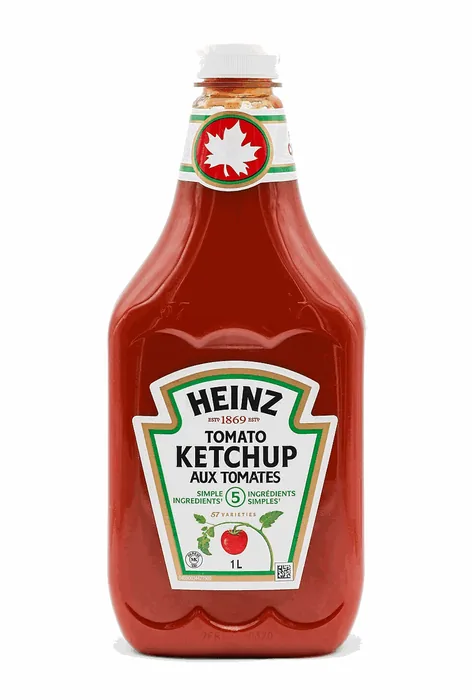
Heinz
Wholesale Heinz ketchup, baked beans and table condiments in authentic EU packaging, supplied by the case, pallet or full container load for export worldwide.
View details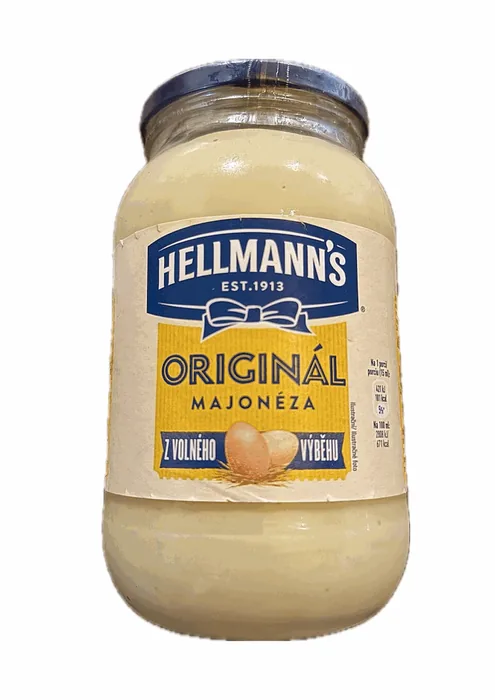
Hellmann's
Bulk Hellmann's mayonnaise, dressings and sauces for wholesale export. Genuine Unilever stock supplied by case, pallet or FCL with full documentation.
View details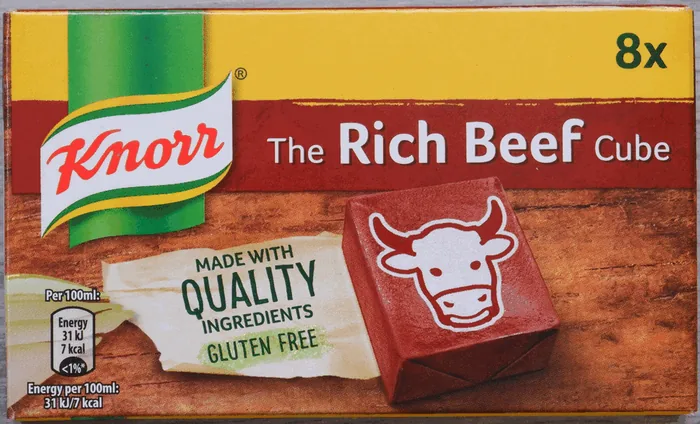
Knorr
Wholesale Knorr stock cubes, bouillon, soups and seasonings. Authentic Unilever range exported from Belgium by case, pallet or full container load.
View detailsCondiments are bought once and used for weeks, which makes them slower-rotating than snacks but far stickier. Consumers form an attachment to a particular ketchup or mayonnaise and resist substitution, so a distributor who secures the listing tends to keep it. The same brands sell into both the retail shelf and the professional kitchen.
Ketchup, mayonnaise and the bouillon business
Heinz is the reference point for tomato ketchup in most markets and is often the first line a retailer names. It carries the shelf and gives you the conversation with the buyer. Hellmann's plays the same role in mayonnaise, where loyalty is if anything stronger, since taste differences between mayonnaises are obvious to consumers.
Knorr is a different kind of asset. Stocks, bouillon, seasoning and recipe mixes are cooking ingredients rather than table condiments, which puts them in a different part of the shopping basket, at a lower ticket price and with a much faster repeat cycle. In many markets a bouillon cube is the highest-frequency grocery purchase in the whole store. Carrying all three names gives you the table, the kitchen and the caterer.
Glass, PET, sachets and catering packs
- Glass bottles and jars read as premium and hold the flagship retail position, but they are heavy and breakable, so packaging integrity and stowage matter.
- PET and squeezy bottles have taken most of the everyday grocery volume: lighter, cheaper to freight and far more forgiving in distribution.
- Sachets and single-serve portions supply food service, delivery kitchens and hotel breakfast, and they open up low-price retail in markets where a full bottle is a stretch.
- Catering jars, pails and dispensers go to restaurants, canteens and quick-service operators on contract, away from retail promotion cycles.
- Cubes, jars and pouches in the bouillon range serve the household kitchen and the professional one with the same product.
The densest thing you will load
Sauces are liquid, and liquid is heavy. A container of glass-packed condiments reaches its payload limit with a large share of the cube unused. The standard remedy is to load them against something light and bulky such as crisps and snacks or paper goods so the box reaches its weight and volume limits together, which is the whole argument in our guide to mixed container loading.
Handling is mostly breakage and seals. Glass needs bracing and no void space, heavy cases belong on the container floor, and cap and induction seals should be checked on arrival, since a compromised seal on an emulsion is a food safety matter. Mayonnaise is the most temperature-sensitive line here and separates if frozen or held hot for long periods, so avoid extreme routes where you can. Shelf life is long on unopened stock, but date coding is still what the retail buyer will inspect first.
Food-contact compliance and range building
These are foodstuffs and the labelling obligations of the destination market apply in full: ingredients, allergen declaration — egg, mustard, soy, celery and fish derivatives all appear routinely in this category — nutrition information, net quantity, date marking, lot code and importer identification in the required language. Packaging is also in scope, since containers in direct contact with food are subject to food-contact material rules. Health certification and batch traceability are commonly requested at entry; the export documentation checklist covers what travels with our shipments.
Range building is straightforward: one ketchup and one mayonnaise in retail depth, a bouillon and seasoning tier for frequency, catering formats if you supply the on-trade, and a complementary grocery range so the shelf makes a meal. Request a sauces and condiments quote.
Frequently asked questions
Plastic for volume, glass for the premium listing. PET is lighter, cheaper to freight and survives distribution far better, which matters on long routes and in markets with rough last-mile handling. Glass still carries the flagship retail position in many markets, so most buyers carry both and weight the mix towards PET as volumes grow.
Because sauces are essentially water in a heavy pack. A container loaded only with ketchup, mayonnaise or cooking sauces reaches its payload ceiling while a large part of the space is still empty. Loading them alongside light, bulky goods such as crisps or paper products brings the weight and volume limits together and reduces your cost per case.
Shelf-stable condiments generally travel as ambient cargo and do not need reefer transport. Emulsions such as mayonnaise are the exception to watch, since freezing or prolonged high temperatures can split them, so avoid extreme routes and seasonal peaks where possible. Check seals and cap integrity on arrival, as a compromised seal on an emulsion is a food safety issue rather than a cosmetic one.
Need a quote for sauces & condiments?
Send us your product list and destination market — we'll confirm availability and pricing within 24 hours.