Food & Groceries Wholesale & Export
Wholesale food and grocery lines — Barilla pasta, premium vanilla, dried mushrooms and bulk ingredients for global buyers.
Wholesale food & groceries for retail & export
Pasta, dry goods, premium ingredients and pantry staples for retail shelves and food-service kitchens.
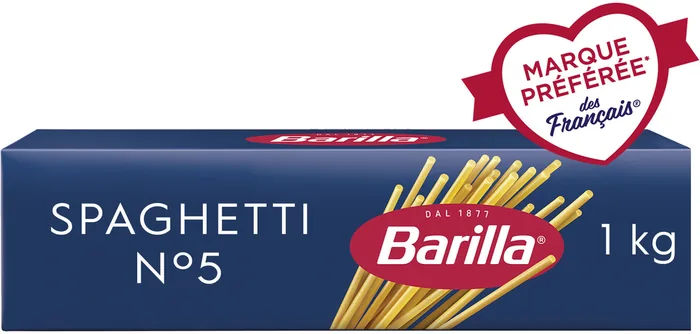
Barilla
Barilla dry pasta and pasta sauces for wholesale export. Authentic Italian A-brand stock supplied by case, pallet or full container load from Belgium.
View details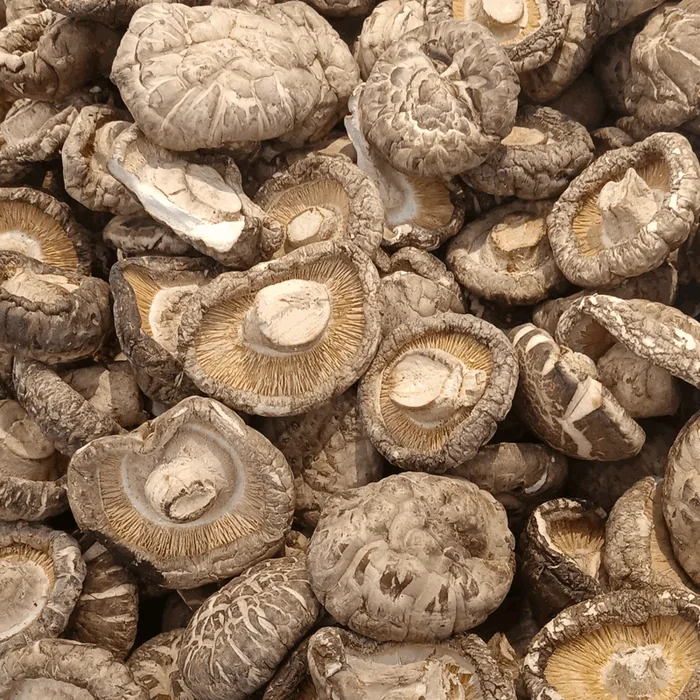
Dried Shiitake Mushroom
Bulk dried shiitake mushrooms for wholesale. Whole dried caps for soups, broths and Asian cooking, exported from Belgium by case, sack, pallet or FCL.
View details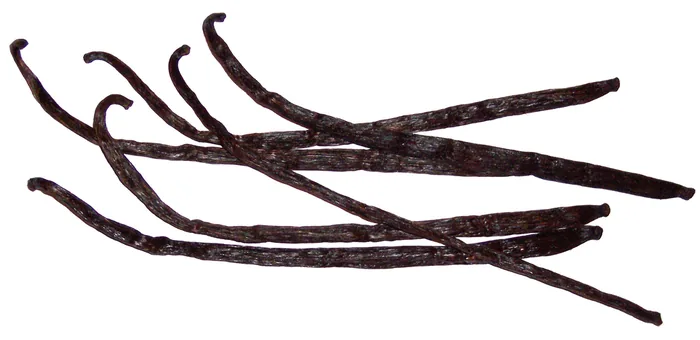
Vanilla Beans
Premium whole vanilla beans in bulk for wholesale export. Aromatic vanilla pods for baking and flavouring, supplied from Belgium by pack, carton or pallet.
View detailsGroceries are the ballast of a retail range. Nobody builds a promotion around dried pasta, but it sells every week, it holds condition for a long time and it gives an importer a predictable base of volume around which the more volatile categories can be planned.
Staples and specialities behave in opposite ways
Barilla is the staple case in point: recognised almost everywhere, bought on habit, priced transparently and reordered without persuasion. Dry pasta has a long shelf life, packs efficiently and gives a distributor credibility with grocery buyers who want a supplier that can cover the boring parts of the shelf as well as the exciting ones. Depth in a few shapes beats a wide shape range for a new market — spaghetti and penne carry the volume nearly everywhere.
Speciality ingredients work on entirely different economics. Vanilla beans and dried shiitake mushrooms are low volume, high value and sold on grade, moisture and provenance rather than on brand. The buyers are patissiers, food manufacturers, importers supplying restaurant trade and premium delicatessen retail, and they will ask about crop year, sizing and moisture content before they ask about price. These lines add substantial invoice value to a container while consuming almost no weight or cube.
Retail packs and food-service packs are separate ranges
- Standard retail cartons and bags are the supermarket format and where the volume sits.
- Catering and bulk packs serve restaurants, hotels and institutional kitchens on a contract cycle, with far less promotional sensitivity and steadier reordering.
- Vacuum and barrier packs protect high-value ingredients from moisture pick-up and are worth the cost on anything sold by grade.
- Value packs and multipacks shift volume in price-driven markets, particularly across African distribution where price per meal decides the purchase.
Weight, moisture and pest control in the load
Dry groceries sit in the middle of the density scale. Pasta and packaged dry goods will usually bring a container close to both its weight and volume limits, which makes them a forgiving base for a mixed load. Speciality ingredients are effectively free freight and should ride along with a staple block rather than shipping alone.
The real risks are environmental. Dry goods absorb moisture, and a container that sweats on a tropical crossing will produce clumping, mould and rejected stock; desiccant, dry stowage away from the walls and undamaged packaging all matter more than they do for canned or bottled lines. Infestation is the other concern — pasta, flour and dried fungi are all susceptible, and a single contaminated pallet can condemn a consignment at inspection, so source from properly stored stock and check pallets before loading. Heavy cases go on the bottom; light bagged goods do not take stacking well.
Documentation and building the range
Food imports attract the closest regulatory attention of any FMCG category. Expect destination requirements covering ingredient and allergen declaration, nutrition information, net quantity, date marking, lot coding and importer identification in the accepted language, and expect certain plant products to need a phytosanitary certificate or to face specific import controls. Health certificates, certificates of origin and full batch traceability are routine asks — the export documentation checklist sets out what we issue, and unexpected inspection and certification costs are exactly what buyers miss when they build a landed cost model.
Build the range from the bottom up: two or three staple lines in depth to carry the volume, a speciality tier to lift margin, and a complementary category such as sauces and condiments to complete the meal on the shelf. Request a food and grocery quote with your destination and volumes.
Frequently asked questions
Typically a commercial invoice and packing list, a certificate of origin, and for many destinations a health or free-sale certificate plus full batch traceability. Certain plant-based goods also require a phytosanitary certificate. Destination labelling rules on ingredients, allergens, nutrition, date marking and importer details apply as well, so confirm them before the goods are packed rather than at clearance.
Moisture is the main enemy. Containers sweat on tropical routes, and pasta, flour and dried ingredients absorb that moisture and clump or mould. Use dry stowage away from container walls and roof, keep packaging undamaged, use desiccant on humid routes, and inspect pallets for any sign of infestation before loading rather than after arrival.
Usually yes. High-value ingredients such as vanilla or dried mushrooms take up very little weight or space, so they raise the invoice value of a container without pushing it towards either freight limit. The practical point is documentation and storage, since graded goods are sold on moisture, sizing and provenance and need to arrive in the condition they were bought in.
Need a quote for food & groceries?
Send us your product list and destination market — we'll confirm availability and pricing within 24 hours.