Beverages Wholesale & Export
Wholesale beverages for global export — Coca-Cola, Pepsi, Red Bull, Monster, Evian, Fiji and more, supplied by the pallet or full container load.
Wholesale beverages for retail & export
Carbonated soft drinks, still & sparkling water, energy drinks and iced teas from the world's leading beverage houses.
Coca-Cola
Source authentic Coca-Cola at wholesale from Belgium: cans, PET and glass formats shipped by case, pallet or full container load to importers worldwide.
View details
Pepsi
Wholesale Pepsi from Belgium: cans, slimline cans and PET bottles supplied by case, pallet or full container load to distributors and HoReCa buyers.
View details
7UP
Wholesale 7UP from Belgium: crisp lemon-lime soda in cans and PET, shipped by case, pallet or full container load for retail and on-trade buyers.
View details
Sprite
Wholesale Sprite from Belgium: fast-moving lemon-lime soda in cans and PET, supplied by case, pallet or full container load to 60+ export markets.
View details
Fanta
Wholesale Fanta from Belgium: Orange and assorted fruit sodas in cans and PET, shipped by case, pallet or full container load to importers worldwide.
View details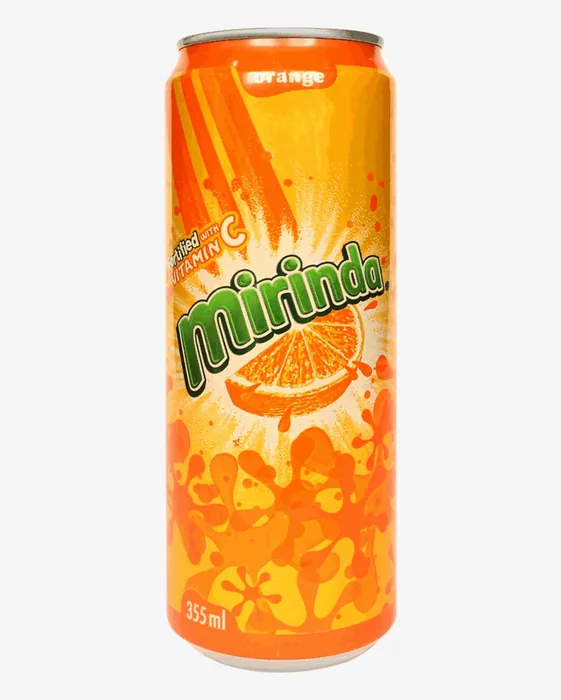
Mirinda
Bulk Mirinda from Belgium — 330ml cans, 500ml and 1.5L PET across Orange and regional flavours, supplied by case, pallet or full container load.
View details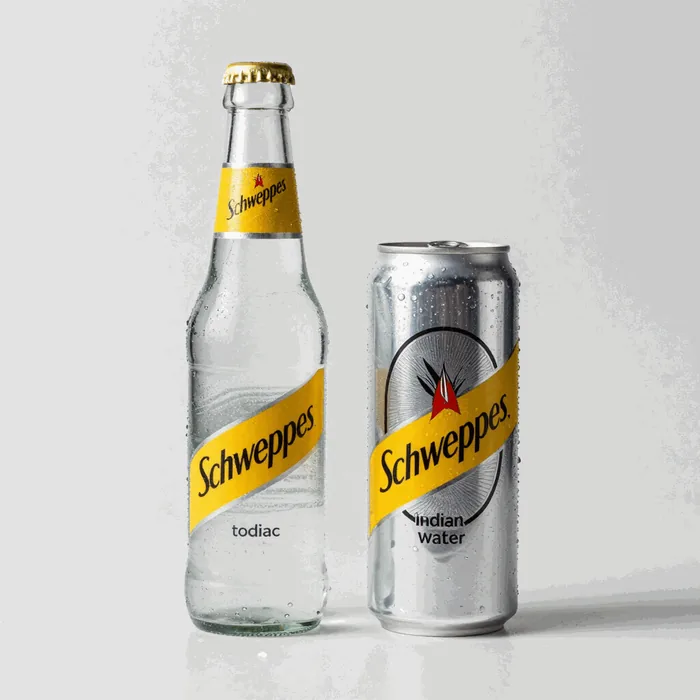
Schweppes
Wholesale Schweppes from Belgium — tonic water, soda, ginger ale and lemon in cans, glass and PET, exported by pallet or full container load.
View details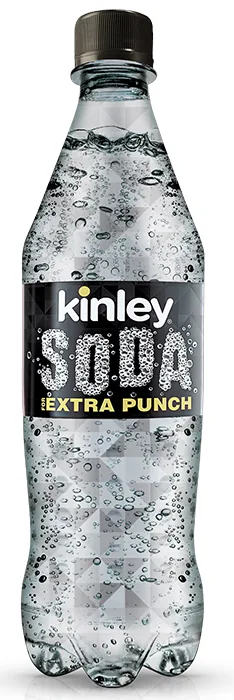
Kinley
Bulk Kinley soda water and tonic from Belgium — Coca-Cola's mixer brand in cans and PET, exported authentic by pallet or full container load.
View details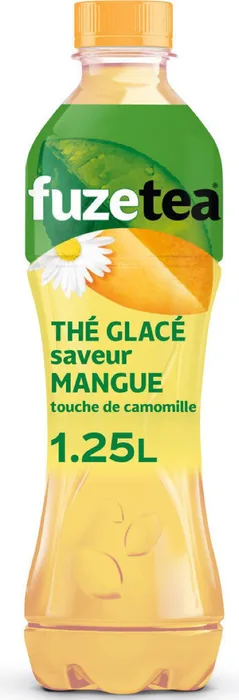
Fuze Tea
Wholesale Fuze Tea from Belgium — Coca-Cola's iced tea in peach, lemon, mango-chamomile and more, exported by pallet or full container load.
View details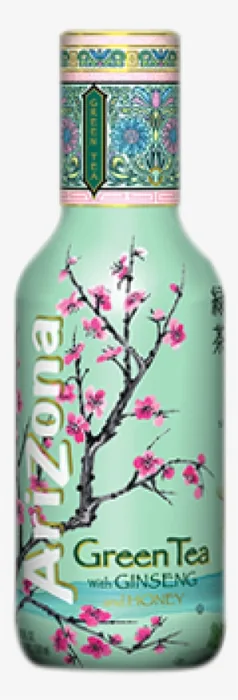
Arizona Iced Tea
Bulk Arizona Iced Tea from Belgium — the iconic tall cans in green tea, lemon and fruit blends, exported authentic by pallet or full container load.
View details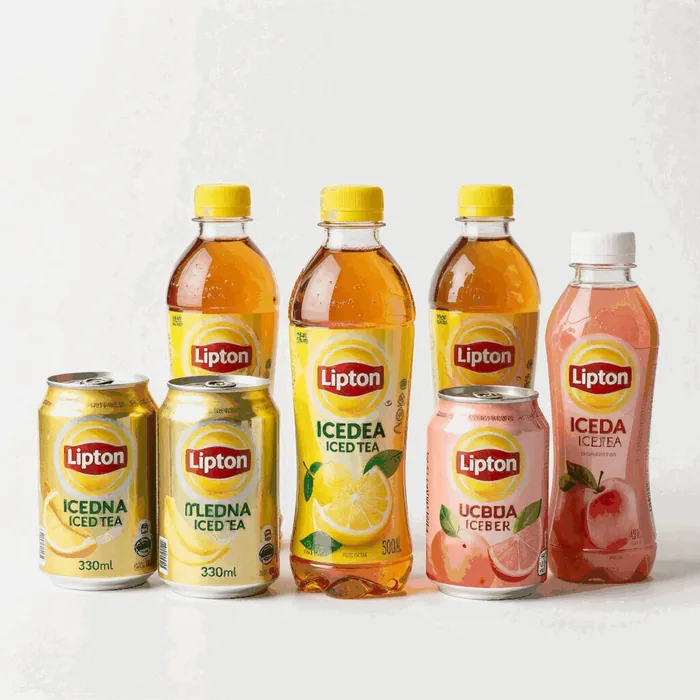
Lipton Ice Tea
Wholesale Lipton Ice Tea from Belgium in PET, can and glass formats — authentic, EU-sourced stock supplied by the case, pallet or full container load.
View details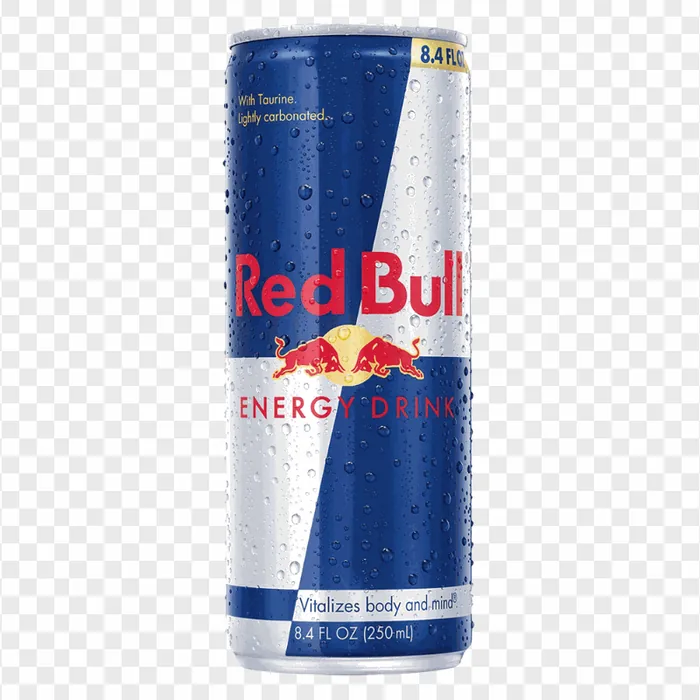
Red Bull
Bulk Red Bull energy drink from Belgium in 250ml to 473ml cans — authentic, EU-sourced stock by the pallet or full container load for export.
View details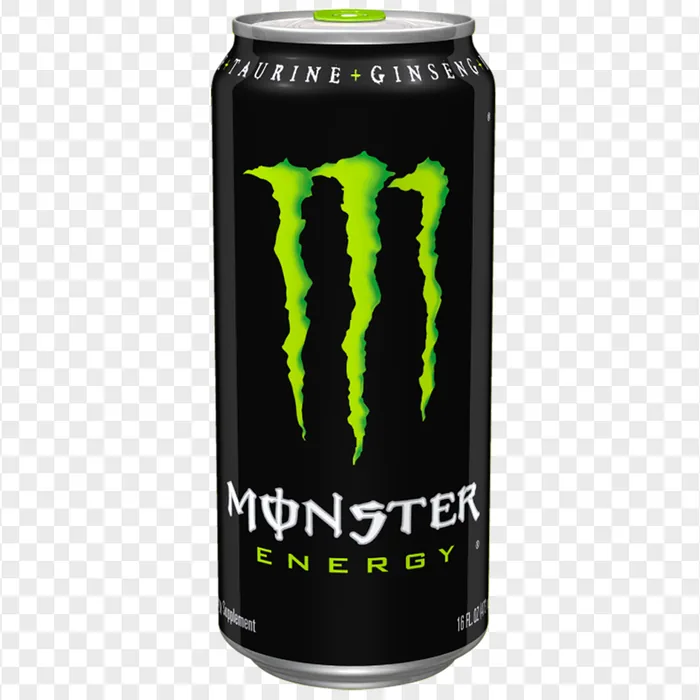
Monster Energy
Wholesale Monster Energy from Belgium across the full flavour range — authentic 500ml cans supplied by the case, pallet or full container load.
View details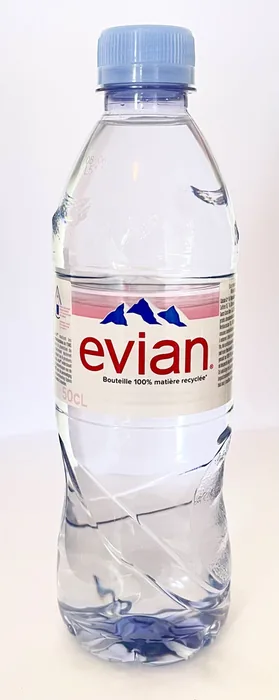
Evian
Wholesale evian natural mineral water from Belgium in PET and glass formats — authentic, EU-sourced stock by the pallet or full container load.
View details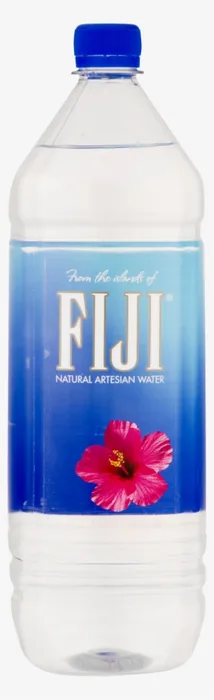
Fiji Water
Wholesale FIJI Water — premium artesian water in signature square bottles, authentic and EU-sourced, supplied by the case, pallet or full container load.
View detailsBeverages are the highest-turnover category on most wholesale order books and the most demanding to move. The commercial side is straightforward: the brands are pre-sold, reorder cycles are short and nobody needs educating. The difficulty sits in format selection and load planning, where a poor decision costs more per case than any price negotiation will win back.
Which beverage lines carry a wholesale range
Colas set the benchmark. Buyers price-check Coca-Cola and Pepsi first and judge the rest of the quote on what they see there. The flavoured carbonates sitting behind them — Fanta, Sprite, 7UP and Mirinda — are what make a listing look complete rather than sampled.
Energy is where the margin is. Red Bull and Monster carry far more value per kilo than mainstream carbonates and sell to a consumer who barely looks at shelf price. Mixers behave differently again: Schweppes and Kinley go to bars, hotels and restaurant groups on a rhythm you can plan around, and stocking a premium and a value tier lets one purchase order serve the whole on-trade. Iced tea — Lipton, Fuze Tea and Arizona — covers the lower-sugar demand that keeps growing in most markets, while Evian and Fiji serve hospitality, airlines and premium grocery where the label is part of the service.
Format decides the channel, not the brand
The same brand in the wrong pack will sit in your warehouse. As a working rule: 330ml cans are impulse, convenience and on-trade; 500ml PET is the forecourt and food-service workhorse; 1L and above belongs in grocery and family purchase. Multipack shrink-wrapped cans serve modern trade and cash-and-carry. Returnable glass is a closed-loop format tied to a deposit system and rarely travels well as an export line. Decide the channel first, then the format, then the brand.
Weight, pallets and how drinks load
Drinks are the densest category in FMCG. A 40ft container of canned or bottled soft drinks reaches its legal payload limit with floor space to spare, so you are paying for weight, never volume. That single fact should shape the order: keep the heavy carbonates and water to the tonnage you can legally carry, then fill the remaining cube with light goods such as snacks, diapers or tissue. Energy drinks are useful here too — they add invoice value without eating much of the weight allowance. Our guide to mixed container loading works through the arithmetic.
Pallet integrity matters more than buyers expect. Cans dent, PET shoulders collapse under poor stacking, and a shifted pallet in transit turns into a leaking one. Ask how goods are stretch-wrapped and whether pallets are single or double stacked.
Handling, seasonality and labelling
Carbonates and water are forgiving on shelf life; juice and dairy-adjacent drinks are not, so specify minimum remaining life at order stage. Freezing is a real risk on northern routes in winter — PET and cans both fail when contents expand. Heat is a lesser risk but accelerates flavour drift in iced tea and juice.
On compliance, expect the destination market to require ingredient and nutrition declarations in a recognised language, clear net content, and in a growing number of countries a sugar or nutrient-profile declaration. Some markets apply excise or sugar levies on soft drinks that fall outside normal duty, so check that before you cost the deal. Tell us the destination and target list and we will price the load, not just the cases.
Frequently asked questions
Yes. Mixed loads are normal for beverages and usually work in the buyer's favour, because combining fast-moving colas with energy, water and mixers spreads risk across a range rather than a single line. The practical limit is weight, not brand count, so the pallet plan is built around the container's payload allowance.
It depends on the channel you are supplying rather than on consumer preference alone. Cans suit convenience, impulse and on-trade accounts, mid-size PET suits forecourts and food service, and large PET belongs in grocery. Most first-time buyers order too narrow a format spread and end up with stock that their customer base cannot place.
Standard dry containers are used for carbonated soft drinks, water and energy drinks on almost every route. The conditions worth planning for are freezing on winter northern routes, which can burst cans and bottles, and prolonged heat, which shortens the useful life of juice and iced tea. Where a route is a concern, stowage position and sailing schedule usually matter more than reefer equipment.
Need a quote for beverages?
Send us your product list and destination market — we'll confirm availability and pricing within 24 hours.