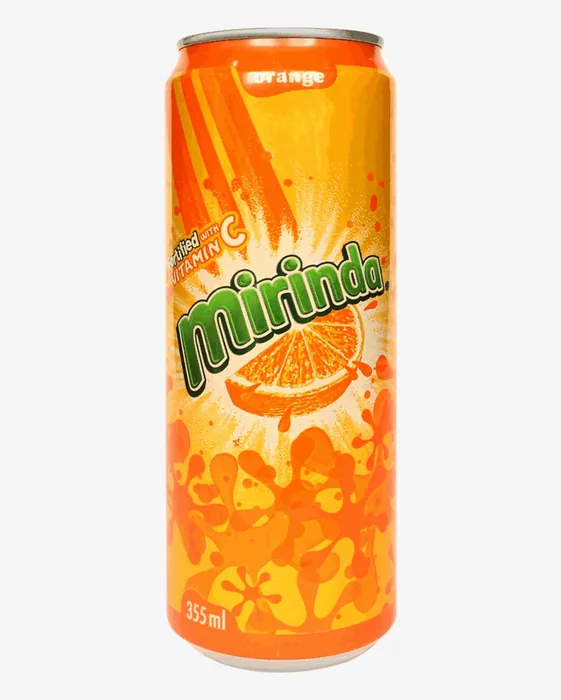
Mirinda — Wholesale Supply
Bulk Mirinda from Belgium — 330ml cans, 500ml and 1.5L PET across Orange and regional flavours, supplied by case, pallet or full container load.
- 330ml sleek/standard cans, 500ml PET, 1.5L PET
- Orange plus regional flavours (Shokata, Fruit Splash)
- 100% authentic, EU-sourced, original manufacturer packaging
- Order by case, pallet or full container load (FCL/LCL)
- EUR.1 movement certificate & Certificate of Origin
- EXW / FOB / CIF / DAP via Antwerp & Rotterdam
Mirinda is one of the fastest-moving fruit sodas in the PepsiCo portfolio, and at FMCG Depot we supply it wholesale to retailers, importers and HoReCa buyers across more than 60 countries. Every pallet ships from Belgium as 100% authentic, EU-sourced stock in original manufacturer packaging, so what lands in your warehouse matches exactly what your shelves and customers expect.
Formats built for high turnover
Mirinda's bright orange flavour is a category staple, but its regional variants are what make it a smart line to stock. We hold 330ml cans for grab-and-go and vending, 500ml PET for convenience and forecourt retail, and 1.5L PET for family and grocery formats. Where availability allows, we also source flavour extensions such as Shokata and Fruit Splash that perform strongly in Middle Eastern, Balkan and African markets.
- 330ml cans — ideal for multipacks, vending and impulse chillers
- 500ml PET — the workhorse SKU for convenience and forecourt
- 1.5L PET — grocery, wholesale clubs and family occasions
- Full pallet layer configurations for efficient container loading
- Mixed loads combining Mirinda with other wholesale beverages
Sourcing and export you can plan around
Because Mirinda often ships alongside the wider carbonated range, most buyers consolidate it into a single order with Pepsi and 7-Up to fill a container efficiently. Retailers building a full soft-drink aisle frequently pair it with Fanta for a complete orange-soda offer. We handle full export documentation — EUR.1 movement certificates, Certificates of Origin, packing lists — and quote on EXW, FOB, CIF or DAP terms through the ports of Antwerp and Rotterdam.
New to importing from Europe? Our guide to top beverage brands for wholesale explains how the fast-moving soda lines fit together, and our logistics team can advise on the most cost-effective load plan for your destination. Orders scale from a single case up to full container load, with dedicated account management on every shipment and a 24-hour quote turnaround as standard.
Mirinda's appeal is its consistency: shoppers know the flavour, retailers know it turns, and importers know the Belgian supply gives them dependable EU stock rather than grey-market parallel imports. That reliability matters most in markets where citrus and orange sodas carry the category, and it is why buyers across Africa, the Middle East and Eastern Europe treat Mirinda as a core line rather than a seasonal add-on. We can also advise on shelf-life windows and best-before dating so your rotation stays clean at destination.
Ready to add Mirinda to your next order? Request a quote and our export desk will respond within 24 hours with current pricing, available flavours and lead times for your market.
Related beverages lines
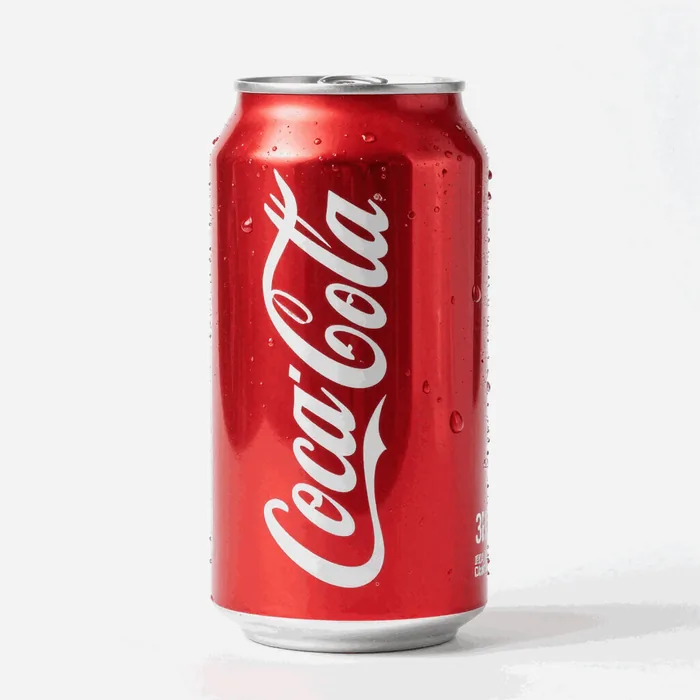
Coca-Cola
Source authentic Coca-Cola at wholesale from Belgium: cans, PET and glass formats shipped by case, pallet or full container load to importers worldwide.
View details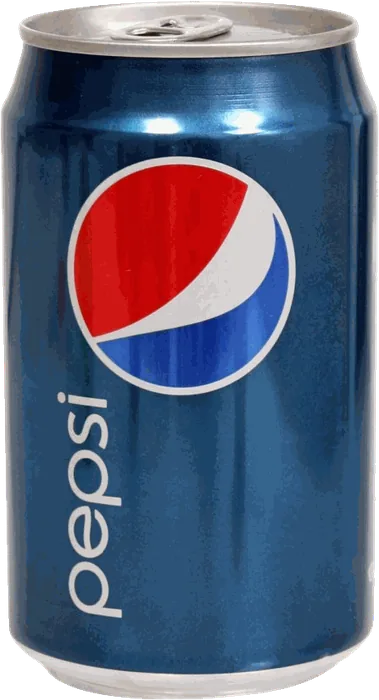
Pepsi
Wholesale Pepsi from Belgium: cans, slimline cans and PET bottles supplied by case, pallet or full container load to distributors and HoReCa buyers.
View details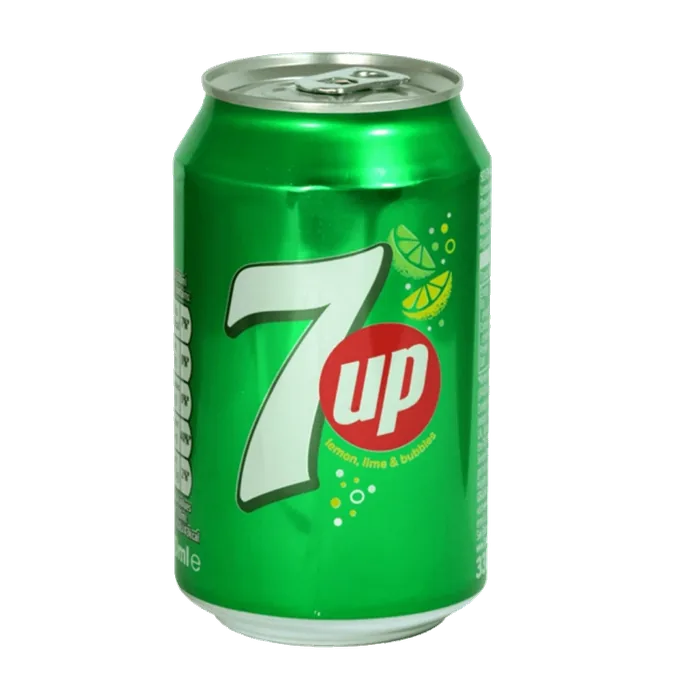
7UP
Wholesale 7UP from Belgium: crisp lemon-lime soda in cans and PET, shipped by case, pallet or full container load for retail and on-trade buyers.
View details
Sprite
Wholesale Sprite from Belgium: fast-moving lemon-lime soda in cans and PET, supplied by case, pallet or full container load to 60+ export markets.
View detailsOrder Mirinda at wholesale prices
Send your target quantity and destination — we'll return a detailed quotation within 24 hours.