Coca-Cola — Wholesale Supply
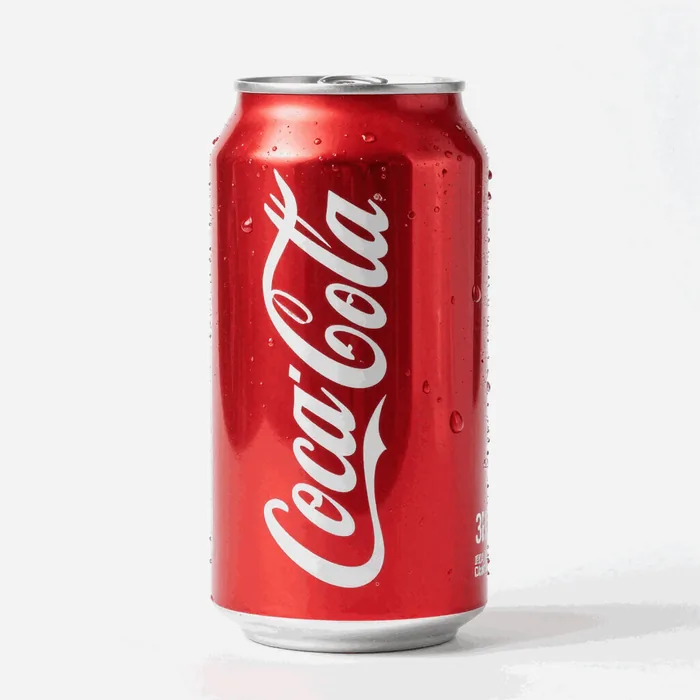
Source authentic Coca-Cola at wholesale from Belgium: cans, PET and glass formats shipped by case, pallet or full container load to importers worldwide.
- Cans, PET bottles and glass returnable formats
- Supplied by case, pallet or full container load (FCL)
- 100% authentic and EU-sourced in sealed original packaging
- EUR.1 movement certificates and Certificates of Origin
- EXW, FOB, CIF and DAP Incoterms via Antwerp and Rotterdam
Coca-Cola sets the ordering rhythm for an entire soft-drink range: buyers price it first and build the rest of the container around it. FMCG Depot supplies genuine, EU-sourced Coca-Cola in original manufacturer packaging from our base in Aalter, Belgium, shipping through Antwerp and Rotterdam to more than 60 markets, and you can browse beverages wholesale to see where it sits in the wider range. Most supplier pages stop at "authentic stock, competitive price". This one answers the question that actually stalls a Coca-Cola deal: which version of the product you are buying, and whether it clears at your end.
Which Coca-Cola are you actually buying?
Coca-Cola is bottled under licence in almost every territory, and each bottling operation produces for the market it serves. Fill sizes, multipack construction, deposit and recycling marks, ingredient wording and label language all differ between production countries even though the trademark on the front is identical. A can produced for Western Europe and one produced for North America or the Gulf are not interchangeable line items — they are two specifications carrying the same brand.
Everything we offer is EU-produced stock in the manufacturer's own sealed packaging, in EU metric fill sizes and with EU-format labelling. That matters in two directions. It tells your customs broker where the goods originated, which is precisely what a EUR.1 movement certificate evidences, and it tells your compliance team which labelling regime the product was built to satisfy. The same production logic runs across the rest of the portfolio we handle, so a request for Kinley wholesale supply is quoted on exactly the same EU-origin basis rather than as a separate sourcing exercise.
The Coca-Cola format matrix: cans, PET and glass
Format is the second half of the specification question: it decides the channel the stock suits and how the container is loaded. We work across aluminium cans in loose trays and shrink-wrapped multipacks, PET in single-serve and take-home sizes, and glass in one-way and returnable configurations. Returnable glass is worth flagging early, as it is tied to a domestic deposit pool, so whether it can travel to your market depends on the deposit scheme at destination. Coca-Cola Zero and other sugar-free variants are quoted as separate lines, because they behave differently on duty and on shelf. Format availability is allocation-dependent, so the confirmed spec always travels on the pro-forma. Buyers building a second price tier under the cola facing frequently ask us to source Mirinda in bulk against the same booking.
Label language, market version and destination rules
Destination rules, not preference, decide which market version is shippable. Several markets require the ingredient and allergen panel in the local language; the GCC permits translated stickering, but the sticker forms part of the label assessment the authority carries out, so it is approved rather than simply applied. Tell us the destination and the label rule you work to at enquiry, and we confirm which version is on offer before you commit.
One further change is material to SKU selection rather than compliance. From the start of 2026 the UAE and Saudi Arabia moved beverage excise from a flat percentage of value to a tiered volumetric model keyed to sugar content per 100ml, so the regular-versus-zero-sugar split inside your container is now a landed-cost decision as well as a taste one. Confirm your banding with your own authority; we will quote the variant mix you specify and document it line by line.
Case, pallet and full container load: what changes at each tier
Supply runs from individual cases through single pallets to 20ft and 40ft full container loads, and the tier changes more than the price. Case and part-pallet quantities suit a range test or a first shipment into a market you are still reading; pallet quantities suit regional distributors and cash-and-carry operators reordering to a rhythm. Full container loads are where the load plan starts to matter, because carbonated soft drinks are weight-limited rather than volume-limited cargo: a beverage container hits its payload ceiling well before it runs out of cube, and the pallet build has to be planned around that ceiling.
This is where honest answers beat published ones. Cases per layer, layers per pallet and pallets per 20ft or 40ft depend on the exact format and the specific allocation offered, so we confirm all of it in writing on the pro-forma against the stock actually reserved for you rather than quoting a generic figure that may not match what ships.
How a carbonated load is protected in transit
Carbonated cans and PET on a long ocean leg are a genuine buyer anxiety, and it deserves a straight answer. Loads are stretch-wrapped and stabilised with corner protection and top sheets, voids between stacks are filled so pallets cannot shift and abrade, and heavier glass or large-format PET is positioned so lighter cases never carry the load. Where a container is not filled to the door, the free space is braced rather than left open. Specific requirements — extra bracing, particular pallet types, or a load photo set before doors close — are agreed before loading and recorded on the booking.
Export documentation and proof of EU origin
Every shipment leaves with a commercial invoice, packing list and export declaration. Where the destination holds a preferential trade arrangement with the EU, a EUR.1 movement certificate is what lets your broker claim the reduced duty rate; a Certificate of Origin is issued where the market or the letter of credit calls for one instead. Batch identification and best-before dates are recorded on the shipping paperwork, and remaining shelf life is confirmed against the batch allocated rather than asserted in advance.
Building the rest of the container around Coca-Cola
Because cola anchors the order, the remaining space is where margin is made. Most buyers add a second cola and a citrus line — we ship Coca-Cola alongside Pepsi, Fanta and Sprite on one invoice — then extend into still drinks, where importers serving hot-climate markets source Lipton Ice Tea in bulk to cover the non-carbonate half of the fixture.
Consolidating across categories works the same way. If your customers take soft drinks and impulse snacks on one delivery, adding pallets of a high-rotation line — buyers often source Doritos in bulk here — uses the cube a weight-limited beverage load leaves empty and lowers the freight cost carried by every case.
Specification questions we answer before the pro-forma
How many cases of Coca-Cola fit on a pallet, and how many pallets in a 40ft?
Both figures follow the exact format and the allocation offered, and both are stated in writing on the pro-forma so the load plan you sign is the load plan that ships.
Can Coca-Cola variants be mixed on one pallet?
Mixed-variant and mixed-brand pallets are possible subject to what is allocated at the time, and every mixed pallet is broken out line by line on the packing list so your clearance agent sees exactly what is inside it.
What is the minimum order for Coca-Cola?
There is no single figure. We quote case, pallet and full container quantities, and the workable minimum depends on the format, the destination and the Incoterm you are buying on.
If you are still shaping the range rather than the load, our guide to which beverage lines travel well covers how buyers weight cola against citrus, still drinks and mixers before committing a container.
Other beverage lines that ship alongside Coca-Cola

Pepsi
Wholesale Pepsi from Belgium: cans, slimline cans and PET bottles supplied by case, pallet or full container load to distributors and HoReCa buyers.
View details
7UP
Wholesale 7UP from Belgium: crisp lemon-lime soda in cans and PET, shipped by case, pallet or full container load for retail and on-trade buyers.
View detailsSprite
Wholesale Sprite from Belgium: fast-moving lemon-lime soda in cans and PET, supplied by case, pallet or full container load to 60+ export markets.
View details
Fanta
Wholesale Fanta from Belgium: Orange and assorted fruit sodas in cans and PET, shipped by case, pallet or full container load to importers worldwide.
View detailsWhat we need in order to quote Coca-Cola
To price a Coca-Cola order accurately we need four things: the formats and variants you want, the destination market, the quantity expressed as cases, pallets or containers, and the Incoterm you are buying on. From that we confirm what current allocation covers, which market version is being offered, the document set that will travel with the goods and a firm price. If Coca-Cola is one line on a broader requirement, our complete brand index lists everything we currently export, and a single enquiry can carry as many lines as you need.
Request a Coca-Cola wholesale offer
Send your formats, destination and target volume and we will return a detailed quotation within 24 hours. You can email the trade desk directly if you would rather send a specification than fill in a form.