Coffee & Tea Wholesale & Export
Bulk coffee and tea distribution — Nescafé, Jacobs, Lavazza, Kimbo and leading tea brands in original manufacturer packaging.
Wholesale coffee & tea for retail & export
Premium instant, roast-and-ground and capsule coffee plus branded teas, packed for retail and food-service supply.
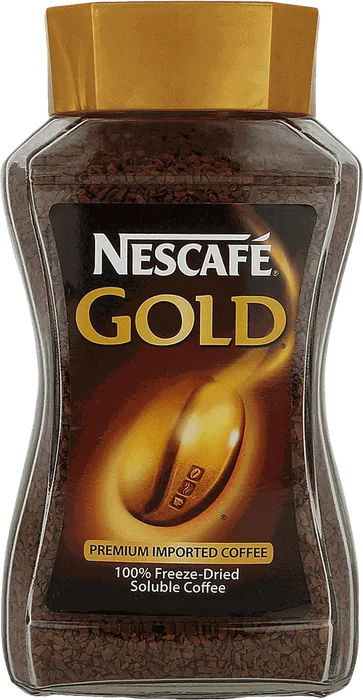
Nescafé
Wholesale Nescafé instant coffee for export by the case, pallet or full container load, EU-sourced in Belgium with complete movement documentation.
View details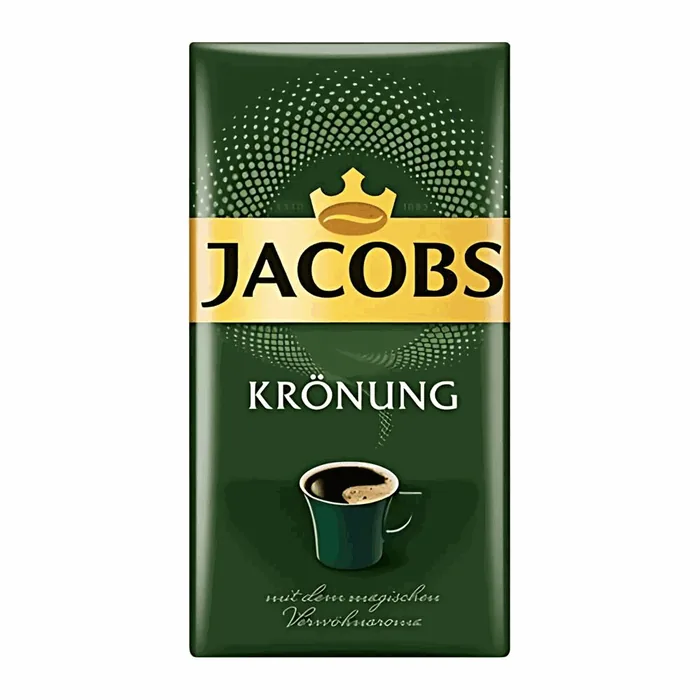
Jacobs
Bulk Jacobs coffee for export — roast and ground, instant and 3-in-1 formats shipped by case, pallet or full container load from Belgium, fully documented.
View details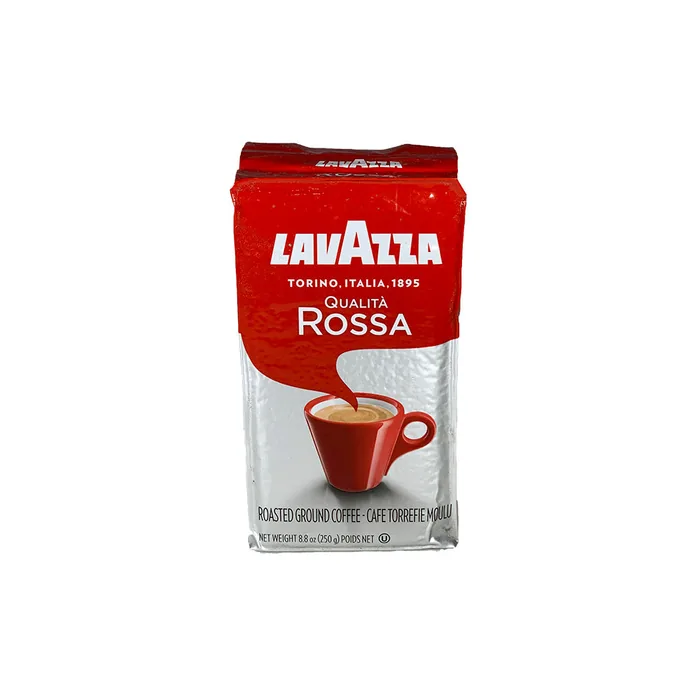
Lavazza
Italian Lavazza roast and ground, beans and capsules at wholesale — exported by case, pallet or full container from Belgium with EUR.1 documentation.
View details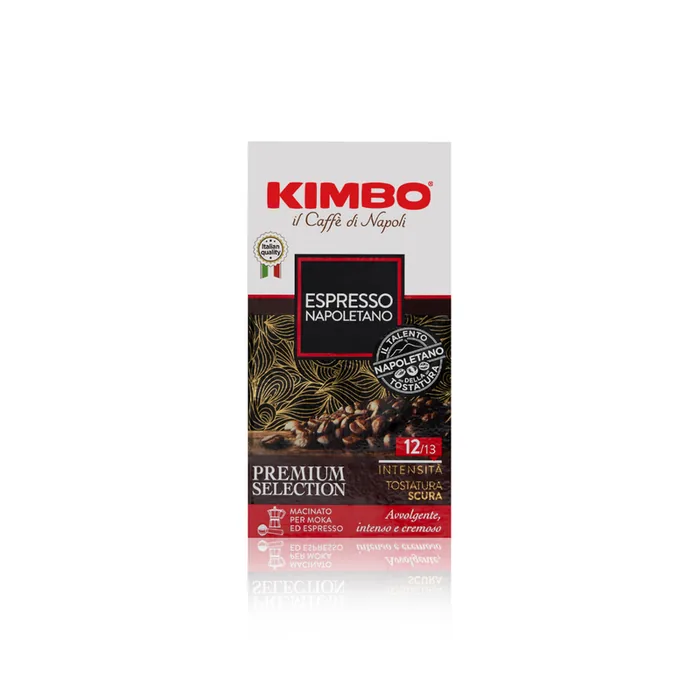
Kimbo Coffee
Authentic Neapolitan Kimbo espresso at wholesale — beans, roast and ground and capsules exported by case, pallet or full container load from Belgium.
View detailsCoffee is a daily-repeat purchase with unusually strong format loyalty. A household that drinks instant does not switch to capsules because the price moved, and a cafe running an espresso machine will not take a jar of soluble. That means range planning in this category is really three separate decisions, not one.
Instant, roast-and-ground and capsules are three different businesses
Nescafé is the volume engine almost everywhere soluble coffee is drunk, and in many emerging markets it is the whole category. It ships well, has a long shelf life and moves through every channel from supermarket to single-serve sachet in a kiosk. Jacobs covers both soluble and ground and carries particular strength across Central and Eastern Europe, where the brand is a household default rather than an import.
Italian roast is a different proposition. Lavazza and Kimbo sell on origin and roast credibility, in beans, ground tins and capsules, and they pull a higher price point from specialist retail, delicatessens and the on-trade. Buyers building a premium shelf typically want one recognisable Italian name in beans and one in capsules; buyers supplying mass grocery want soluble depth first and everything else second.
On the tea side, hot tea and the ready-to-drink segment behave nothing alike. Iced tea is a soft drink in practice and belongs with your beverages planning, priced and merchandised against carbonates rather than against a tea caddy.
Pack format decides the channel
- Sachets and stick packs open up low-ticket convenience and street trade, and they are how instant coffee reaches price-sensitive markets at all.
- Jars from small to family size are the grocery workhorse; the large jar drives value per basket, the small jar drives trial.
- Vacuum bricks and ground tins serve supermarket and specialist retail and are the most transit-robust format for roasted coffee.
- Capsules depend entirely on installed machine base in the destination market. Check that first, because a capsule range in a market without machines is dead stock.
- Catering tins, bulk beans and food-service packs go to hotels, restaurants and offices, where the buying cycle is contractual rather than promotional.
Aroma, moisture and how coffee behaves in a container
Coffee is a middling load: heavier than crisps, far lighter than liquids. A full container of jars and vacuum packs will usually approach both limits together, which makes the category a useful balancing partner for something dense such as bottled sauces or liquid detergent.
Handling matters more than weight here. Roasted coffee absorbs odour aggressively, so it must never share a box with detergents, strongly perfumed home-care lines or anything solvent-based; taint is irreversible and shows up only after the goods have been sold. Vacuum seals need protecting from crush and puncture, since a lost seal means stale product. Heat and humidity accelerate flavour loss even where the pack is intact, so stow away from container walls and roof and check remaining shelf life on arrival rather than at dispatch. Our notes on building a mixed container cover both points.
Labelling, provenance and duty
Coffee and tea are foodstuffs, so the usual food-labelling obligations apply at destination: ingredients, allergen information where relevant, net quantity, storage instructions, date marking and importer identification in the required language. Where roasting or blending happened matters for preferential origin, and a movement certificate can materially change duty on EU-origin roast — a point that belongs in your landed cost calculation before you agree a price with your customer.
Tell us your format split and destination and we will build the load. Request a coffee and tea quote.
Frequently asked questions
Start with instant unless you already know the market has an established espresso or filter culture. Soluble coffee has a longer shelf life, tolerates transit and warehouse conditions better and sells across every channel including small independent trade. Add roast and ground or capsules once you can see which retailers are actually asking for them.
Yes, and it is one of the most common causes of a rejected coffee consignment. Roasted coffee absorbs odour through packaging, so it should never be loaded alongside detergents, perfumed home-care products, solvents or strongly scented goods. If you are consolidating, keep coffee in its own block away from those lines, or ship it in a separate container.
Only where there is a real installed base of compatible machines. Capsules carry good value density and attractive margin, but demand is tied entirely to hardware already in consumers' kitchens or offices. Check with your retail customers what systems they see in the market before committing to a capsule range.
Need a quote for coffee & tea?
Send us your product list and destination market — we'll confirm availability and pricing within 24 hours.