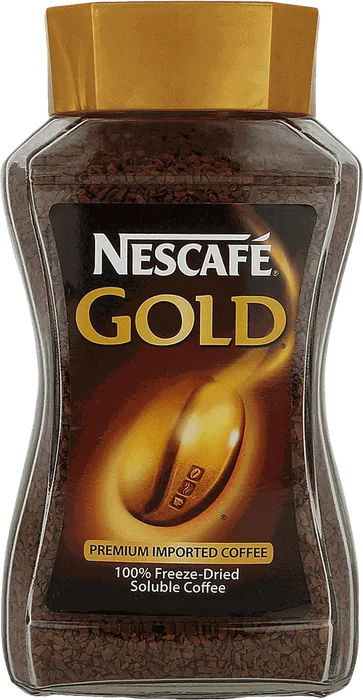
Nescafé — Wholesale Supply
Wholesale Nescafé instant coffee for export — jars, refill packs, sachets, 3-in-1 sticks and Dolce Gusto capsules by the case, pallet or full container load.
- Instant range: glass jars, tins, refill packs and single-serve sachets
- 3-in-1 stick mixes and Dolce Gusto capsule references
- Supplied by the case, pallet or full container load (FCL)
- 100% authentic, EU-sourced, original manufacturer packaging
- Export docs incl. EUR.1 and Certificates of Origin
- Incoterms: EXW, FOB, CIF and DAP via Antwerp & Rotterdam
Nescafé is not one product to a trade buyer. It is four or five distinct supply chains sharing a single red mug, and an enquiry that says only “Nescafé wholesale” cannot be priced until we know which of them you mean. Glass jars, refill packs, single-serve sticks, 3-in-1 mixes and Dolce Gusto capsules answer different channels, sit differently on a pallet and are bought by different people. This page is written to route an enquiry rather than to list SKUs, and the brand sits inside the wider range of coffee & tea available by the pallet from our export desk in Belgium.
Start with the format, then the destination
Two facts open every useful conversation about instant coffee at export volume: the pack format and the market it lands in. With both, everything after them — tier, pack language, pallet build, Incoterm — follows in a straight line. The three format groups below are how we split the range when an offer is built.
Glass jars, tins and refill packs
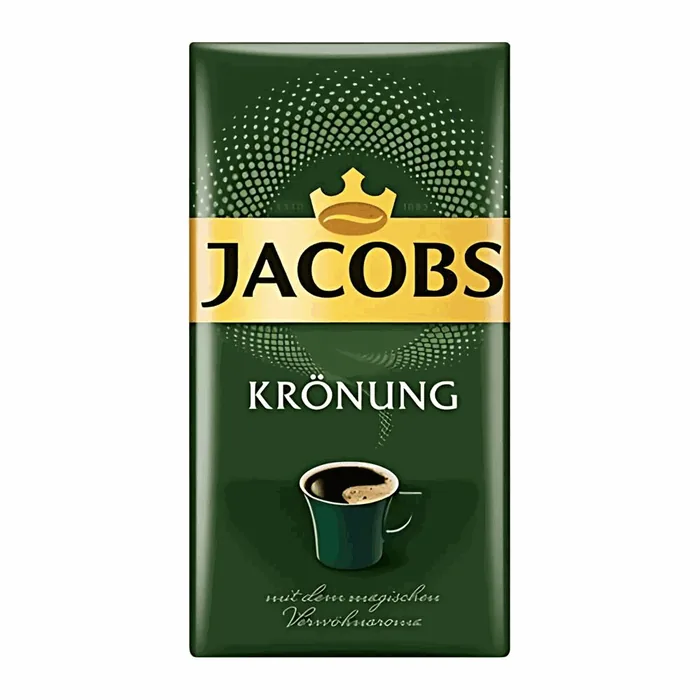
Jars are the recognisable retail facing and the format most supermarket listings are written around. They are also the heaviest and most fragile rung of the ladder: glass wants a square, stable pallet with no carton overhang and no top load it was never designed to carry, and it is the one Nescafé format where groupage handling deserves a second look before you book it. Refill packs and eco-packs serve the same shelf with a better cube and a better price per cup, which is why price-led and discount channels increasingly list them alongside the jar rather than instead of it. Buyers ranging an instant jar usually want a roast-and-ground line beside it, and price Jacobs by the pallet on the same enquiry so both halves of the aisle move on one set of documents.
Sachets, sticks and 3-in-1 mixes
Portion-control packs are a different trade entirely. Single-serve sticks and sachets feed hotels, catering, vending and travel retail — the away-from-home channel — where the unit of sale is a room tray or a break station rather than a shelf facing. The 3-in-1 mixes that carry coffee, creamer and sugar in one stick are a retail product in their own right across the Gulf, parts of Africa and South-East Asia, and they are bought by the carton rather than by the jar. Sachet cartons cube well, weigh little and are forgiving inside a mixed load, which makes them the natural filler when a container of jars runs out of weight long before it runs out of space.
Dolce Gusto: a capsule system with its own buyer
Capsules are not a format variation, they are a system, and the Dolce Gusto buyer is usually an e-commerce operator, a modern-trade grocer or an office-supply distributor rather than the wholesaler buying jars for open market. Assortment matters more than depth here: a capsule listing lives or dies on carrying enough of the range to look complete, so the mix is worth settling before the first order. Tell us the references you intend to list and availability is confirmed in writing against the allocation offered at the time of quotation.
Which Nescafé tier a market actually reorders
Nescafé is the most market-specific brand in our coffee range, and the tier that sells is set by geography far more than by preference. Nescafé Classic and the red-mug packs are the volume engine across the Middle East, North Africa and much of West and East Africa. Nescafé Gold indexes in Western Europe and parts of Asia, where the shopper is trading up rather than buying down. The 3-in-1 sticks belong to the Gulf and South-East Asia. It is not a rule we impose — importers know their own shelves — but it is the pattern behind most enquiries reaching this desk. If you are opening a market rather than replenishing one, say so and we will propose a split instead of waiting for a SKU list.
One container, several Nescafé variants
Few importers want a container of a single reference; what they want is a load that covers the fixture without financing dead stock, which is what a custom mix pallet is for. Jars, refills, sticks and capsules can be composed across pallets within one shipment, quoted as one offer, on one set of documents, under one Incoterm. The reason is freight cost per unit: a mixed load lets a mid-size distributor reach container economics without committing to container depth on any single line. Composition, pallet build and case configuration are confirmed in writing on the pro-forma against the allocation we can genuinely load that week, rather than published as a fixed figure that may not match the run.
Rounding out a hot-drinks container
Most buyers use the payload a light coffee load leaves spare for denser ambient stock. Hot drinks come first: Lipton tea completes the beverage fixture in markets that drink both, and Lavazza covers the espresso tier for buyers who need one. Beyond the aisle, impulse confectionery such as the Twix export listing travels well on the same booking, while food and grocery lines supply the weight a coffee container is missing — Vanilla Beans by the pallet for bakery and manufacturing buyers, or our Barilla wholesale page for dry grocery. Cross-category loads are quoted as one shipment under one Incoterm.
Over-labelling, pack language and destination handling
Two questions decide whether stock can actually be listed at destination: what language the pack carries, and whether anything has to be added to it before it can be sold. Consignments are supplied in original manufacturer packaging with the producer’s own artwork, ingredient declaration and date coding intact, and nothing is repacked or relabelled by us. Where an import market requires additional labelling, over-labelling and stickering are handled as an agreed and priced line on the order rather than assumed; Arabic-language requirements in particular are worth raising at enquiry stage, because they change which consignment suits you. Shrink wrapping, pallet corners and load protection are specified against the route, not from a template.
Documentation, ports and Incoterms on a Nescafé load
Goods move through Antwerp and Rotterdam on EXW, FOB, CIF, CNF or DAP terms, and Gulf-facing buyers who work in CNF are quoted back in CNF rather than asked to convert. Every shipment travels with a commercial invoice and a packing list. EUR.1 movement certificates are issued where the consignment qualifies for EU preferential origin; where a particular reference does not, a Certificate of Origin and full export documentation are supplied instead, and we tell you which applies before you commit rather than after the goods are on the water. Remaining shelf life on loading is confirmed in writing against the dating your destination authority and your retail customers require. If customs paperwork is the part of the process you are least sure of, our FMCG export documentation checklist sets out what an entry point typically asks for.
The buyer checklist before a first Nescafé container
First-time importers of branded coffee tend to underestimate how much of the landed price is freight and how much working capital a wide assortment ties up. The buyer checklist behind Nescafé and the rest of our range works through supplier vetting, order sizing and container economics in the order we would take them on a call.
Coffee lines that ship alongside Nescafé

Jacobs
Bulk Jacobs coffee for export — roast and ground, instant and 3-in-1 formats shipped by case, pallet or full container load from Belgium, fully documented.
View details
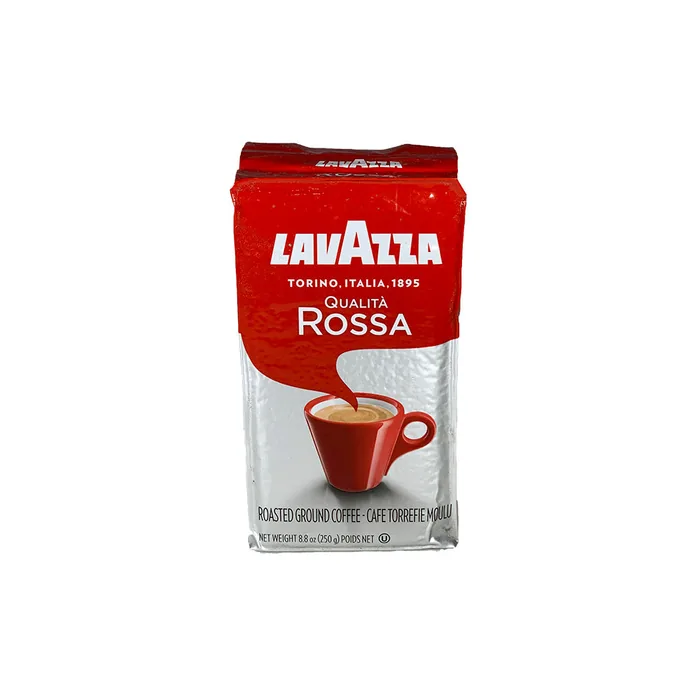
Lavazza
Italian Lavazza roast and ground, beans and capsules at wholesale — exported by case, pallet or full container from Belgium with EUR.1 documentation.
View details
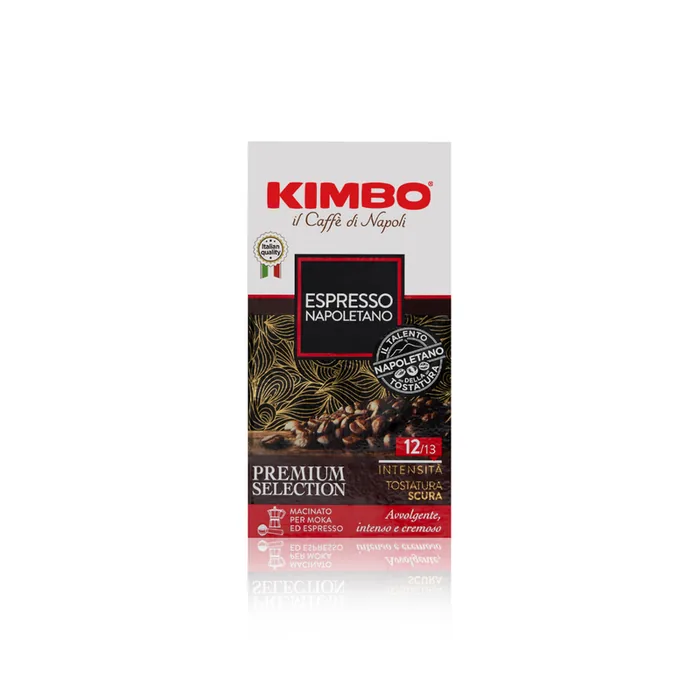
Kimbo Coffee
Authentic Neapolitan Kimbo espresso at wholesale — beans, roast and ground and capsules exported by case, pallet or full container load from Belgium.
View detailsHow a Nescafé order is quoted and papered
Send the format group, the tier, the destination port and the Incoterm you trade on, and what comes back is a written pro-forma covering formats, quantities, pack language, dating, price and terms. Nothing is loaded against a figure that has not been agreed there first. Case, pallet and full container load quantities are all available, with LCL part-loads where a full container is premature, and account set-up runs in parallel through wholesale registration so a first order is not held up behind paperwork. Buyers still weighing the category will find market background, documentation explainers and container economics in our buyer resources.
Price a Nescafé load by format and destination
Send your target quantity and destination — we'll return a detailed quotation within 24 hours. Name the formats and the market, or price up a shipment of Nescafé with our export desk and we will propose the split.