Heinz — Wholesale Supply
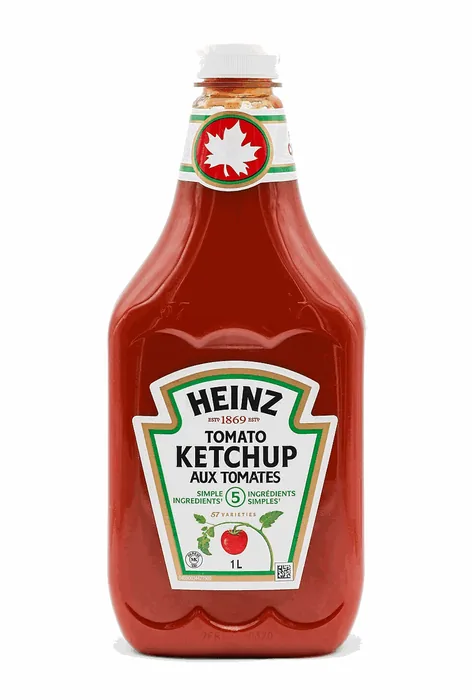
Wholesale Heinz ketchup, baked beans and table condiments in authentic EU packaging, supplied by the case, pallet or full container load for export worldwide.
- Tomato ketchup in glass, squeezy PET and catering pouches
- Baked beans, brown sauce, salad cream and further condiments
- Supplied by the case, pallet or full container load (FCL)
- 100% authentic Kraft Heinz stock, EU-sourced, original packaging
- EUR.1 movement certificates and Certificates of Origin issued
- EXW, FOB, CIF and DAP Incoterms to match your route
Heinz is one of the few grocery brands a buyer never has to explain to a shopper. The keystone label reads the same in a Gulf hypermarket, a West African cash-and-carry and a European convenience store, which is why it usually opens an importer's condiment programme and why it sits at the front of the sauces & condiments export range. The question worth real time is not whether to list Heinz, but in which packaging format — because the format decides which counter the stock can serve, and much of what the shipment costs to move.
What a Heinz wholesale supplier should ask you first
Before a price means anything, five things have to be fixed: the destination market and the label languages it accepts, the channel you supply, the pack format, the Incoterm and port of entry, and the quantity tier (case, pallet or full container load). We work from Aalter in Belgium and load through Antwerp and Rotterdam, so retail glass, squeeze PET and catering formats consolidate onto one booking rather than splitting across suppliers and paperwork. Everything moves in original manufacturer packaging, with barcodes, labelling and best-before dating intact.
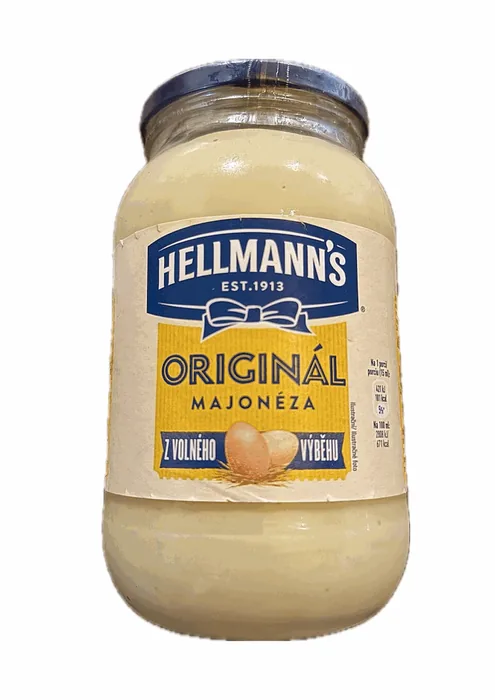
Buyers building a whole table-condiment fixture usually source Hellmann's in bulk on the same booking, because ketchup and mayonnaise are bought by the same buyer on the same reorder cycle.
The Heinz range is wider than the ketchup bottle
Enquiries that stop at "ketchup" leave value on the table. Ketchup is the volume driver, but the range around it is what makes Heinz worth a dedicated pallet: baked beans, brown sauce, salad cream, mayonnaise, table sauces, canned soups and vinegars, plus the portion-control and dispensing formats built for professional kitchens. Baked beans are a demand line in their own right — they carry a British breakfast convention into diaspora and expatriate retail across the Gulf, Africa and parts of Asia, and those buyers order beans by the pallet independently of the ketchup.
Why the fixture keeps reordering Heinz
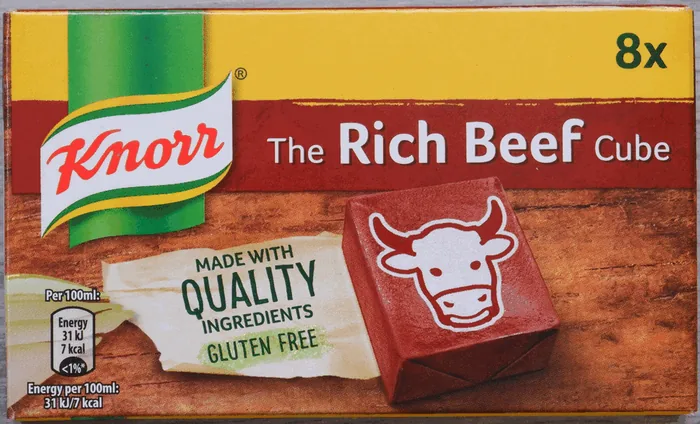
Ketchup and beans are pantry constants: bought on habit rather than promotion, insulated from season, and able to survive a price rise without leaving the basket. That is dependable rotation rather than a bet on a trend, and it is why they anchor a fixture that earns its keep from the lines around them. Importers assembling a meal-solutions bay commonly source Knorr in bulk for the stock and seasoning shelf beside the sauces.
Format decides the channel: glass, PET, sachet, pouch and catering pack
Format is the least discussed and most consequential variable on a Heinz enquiry. Each pack answers a different counter, and the wrong one sells slowly for reasons unrelated to the brand.
- Glass bottles — the table format. Strongest brand cue and the presentation most retail buyers expect on a premium listing.
- Squeeze PET, including top-down bottles — retail and home delivery. Lighter, unbreakable, far more forgiving of rough handling and repeated transhipment.
- Single-portion sachets — quick service, delivery platforms, hotel breakfast and institutional catering. Specified for portion control, not unit price.
- Dispenser pouches and bag-in-box — high-throughput kitchens that dose from a pump rather than pass a bottle across a counter.
- Catering cans and large-format packs — kitchens, bakeries and central production units cooking from a base rather than serving at table.
The channel chooses the format, not the reverse: tell us which counters you supply and we will propose the pack.
Glass on a long lane: weight, cube and pallet stability
Glass is why a Heinz load behaves differently from most ambient grocery. A container of glass hits its payload limit while floor space is still unused — it weighs out long before it cubes out — so choosing glass decides how much of the box you leave empty. Against that, glass is inert, holds a long stable ambient life, and presents at retail in a way plastic does not.
It also has to be built properly. Glass cartons take top load poorly once a pallet gets tall, and the damage that becomes a claim is mechanical rather than product: crushed corners, a pallet migrating inside a moving box, a wet quay. Pallets are stretch-wrapped, corner-boarded and void-filled, and containers checked before loading.
On hot, long or multi-handling lanes the honest recommendation is often PET: it lands intact, costs less to move per unit sold, and takes the breakage argument off the table. Where the destination is a premium listing, glass earns its freight. We quote both against the same volume so the comparison is visible before you commit.
UK-recipe and continental-EU Heinz are different listings
The commonest sourcing error on this brand is specifying "Heinz ketchup" and stopping there. Heinz is produced at several European sites for several markets, and the UK-market and continental-EU packs are not interchangeable: recipe, graphics, declared ingredients and label languages differ, and a shopper handed the wrong one notices immediately. What we supply is EU-market stock carrying the EU ingredient, allergen and nutrition declaration in the languages of the producing market. If your shelf expects the British specification, say so at enquiry stage — it changes what can be offered against your volume.
Labelling, halal marks and the customs file on a Heinz consignment
Destination compliance is settled before dispatch, not at the border. GCC retail requires Arabic-language labelling and the approved halal mark; Saudi entry requires Arabic ingredient declarations; several African markets ask for a local-language over-label. Where a pack must carry an extra panel, that is handled before the pallet leaves. Whether a SKU can be supplied with the halal certification your market requires is confirmed in writing against the allocation offered, never assumed from the brand.
Because this is EU-produced stock for the EU market, consignments travel with a commercial invoice, packing list and EUR.1 movement certificate or Certificate of Origin as your entry requires, with health or free-sale certification where asked. Remaining shelf life on arrival is agreed as a contract term on the pro-forma, and batch and best-before detail recorded on the packing list so your rotation planning starts from fact.
Where Heinz ketchup and baked beans pull hardest
The Gulf is the densest pool of demand we quote into: ketchup is a staple across GCC retail, beans travel with a large expatriate population, and quick-service and delivery growth pulls sachet and dispenser formats alongside the retail bottle. African importers weight the brand differently — retail beans and ketchup for supermarket and cash-and-carry channels, glass kept for premium listings and PET carrying volume. Across Asia the pull is retail PET plus foodservice pouches for hotel groups, all of it loading from the same two ports.
What a Heinz quotation confirms in writing
We are asked for a price list more often than anything else, and a standing list would mislead you: what can be loaded depends on the SKU, the market specification, the allocation available that week and the route. So we quote instead. Send the destination port and Incoterm, the channel you supply, the SKUs and market variant, your target volume and the documents your entry requires.
Back comes a written offer naming the SKUs available against current allocation, the case, layer and pallet configuration per SKU, the dating, the packaging specification, the documents that travel and the Incoterm the price is built on. Every figure that matters is fixed on the pro-forma against the allocation offered, not published in advance.
Consolidating the balance of a Heinz load
Because glass weighs out early, the useful question is what rides in the space it leaves. Light, high-value ambient grocery is the answer: importers supplying bakery and production customers add Vanilla Beans wholesale supply to the booking, and buyers filling volume behind a dense condiment pallet source Barilla in bulk. The mixed load is quoted as one shipment, on one set of documents, under one Incoterm.
Onboarding, documents and quantities
Trade accounts open before the first quotation, so complete buyer onboarding with your company details, VAT or import registration and destination market and we can quote against real allocation. On a first export consignment, the export paperwork checklist sets out the documents we prepare and the order they are issued in.
Condiment lines that load beside Heinz

Hellmann's
The condition-sensitive line in this category — Hellmann's mayonnaise in jars, squeeze bottles, catering jerrycans and sachets, quoted with stowage and dating agreed up front.
View details
Knorr
Dry, compact and high in value per pallet — Knorr bouillon, soups and seasoning mixes are the easiest line to trial and the natural filler behind a heavy condiment load.
View detailsBuild your Heinz order around the right format
Send your target quantity, format mix and destination — we'll return a detailed quotation within 24 hours, or get Heinz costed to your port on the Incoterm your forwarder prefers.